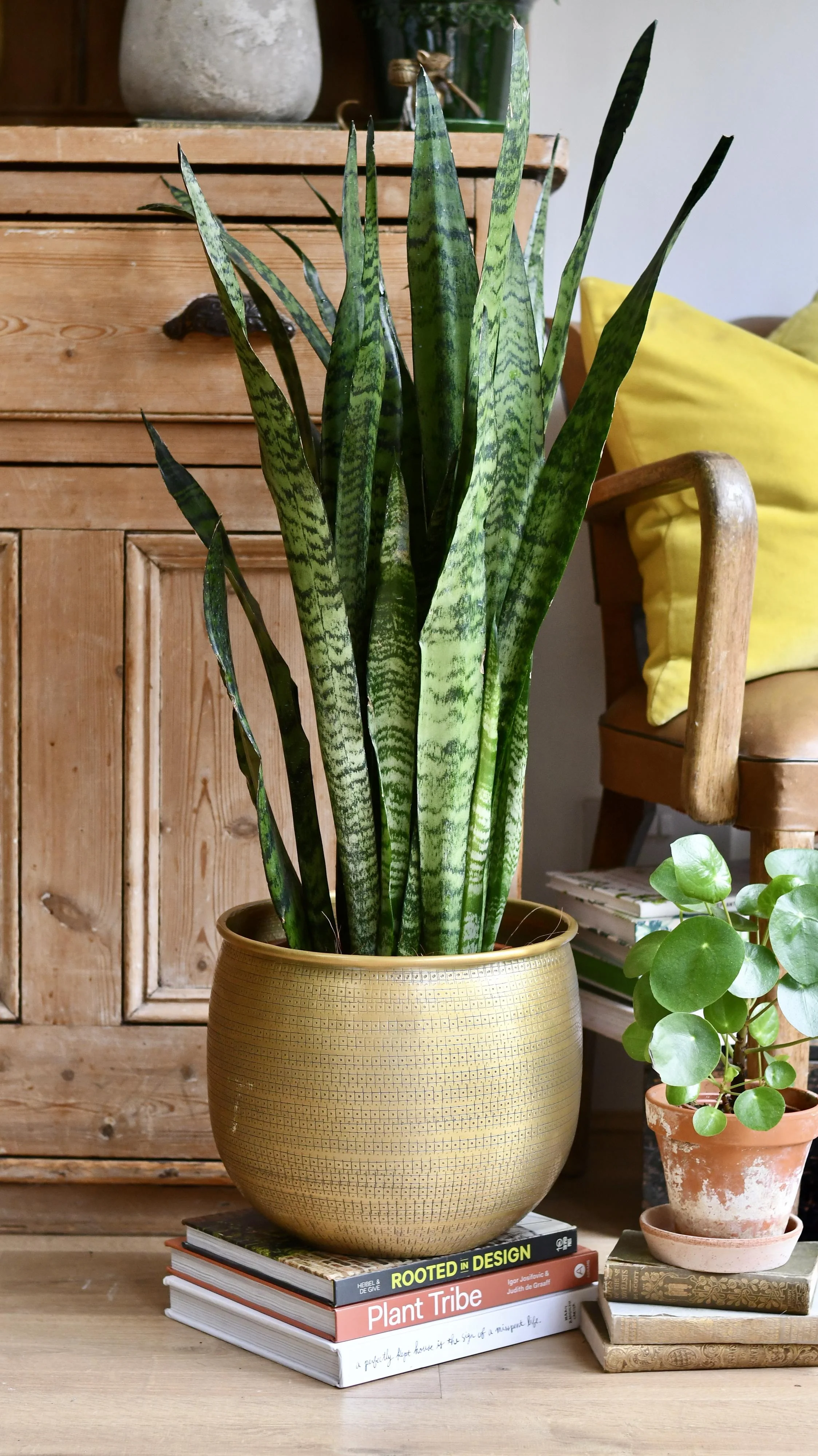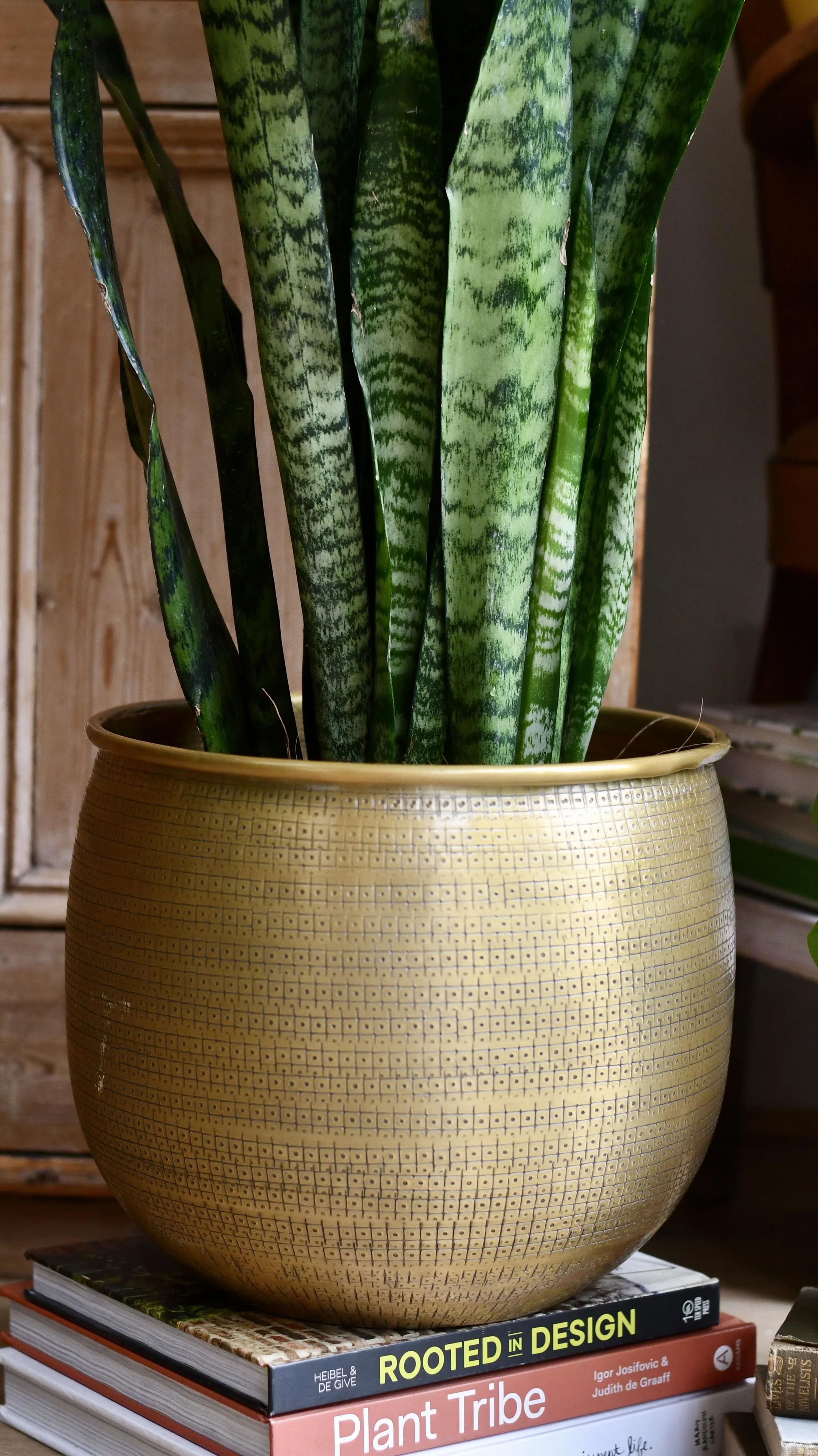
Baby Sansevieria Trifasciata Golden Hahnii
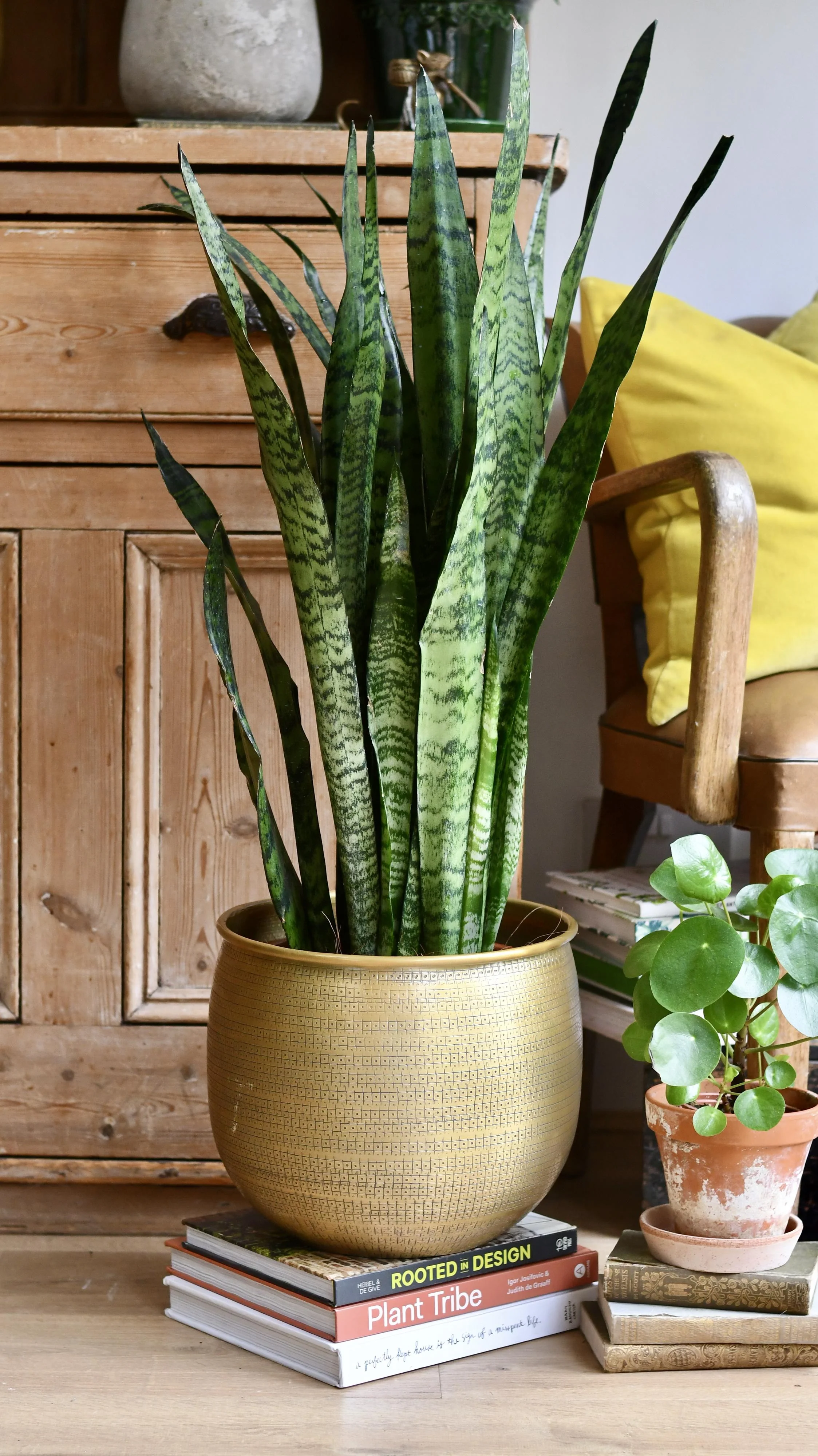
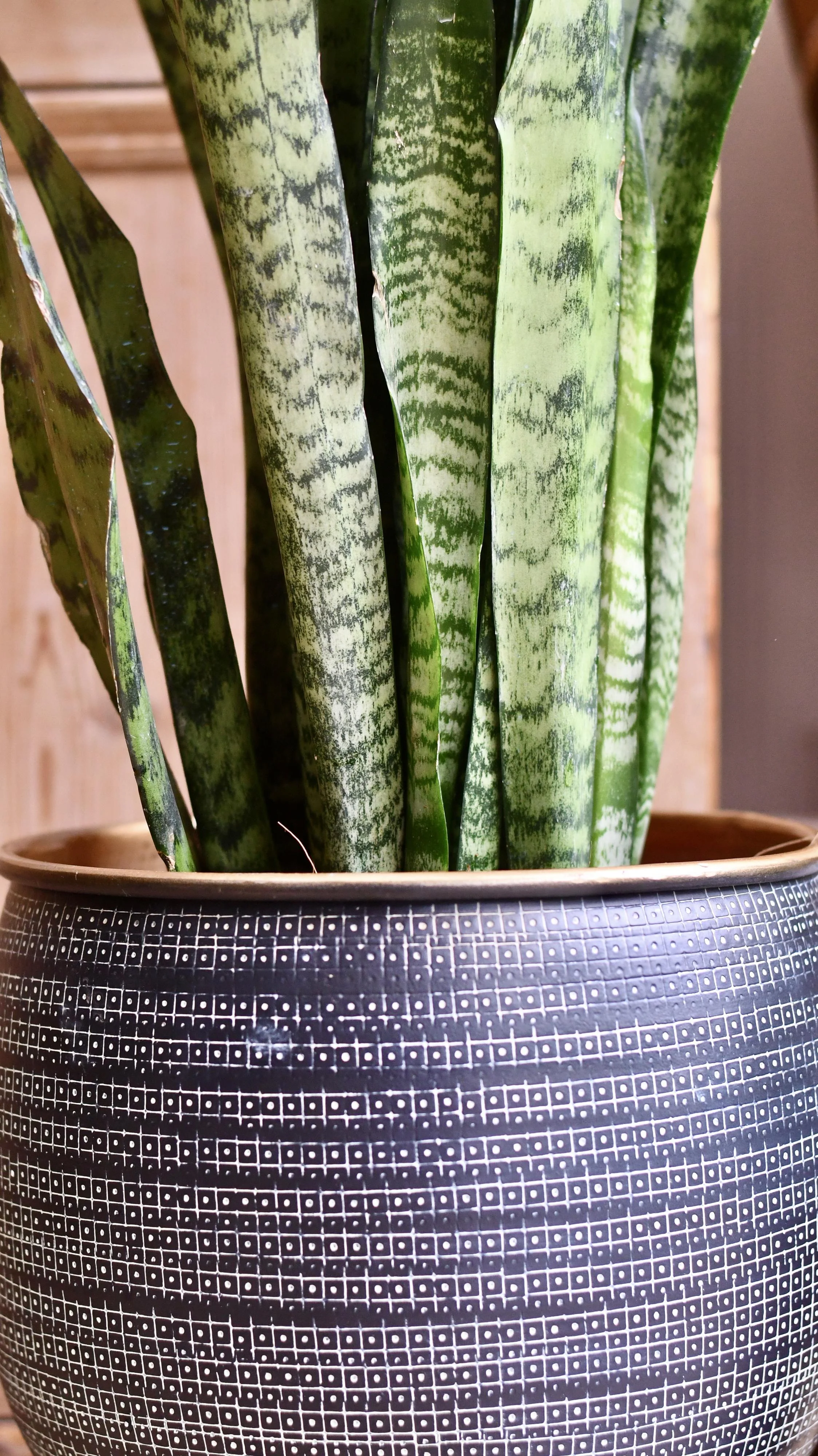
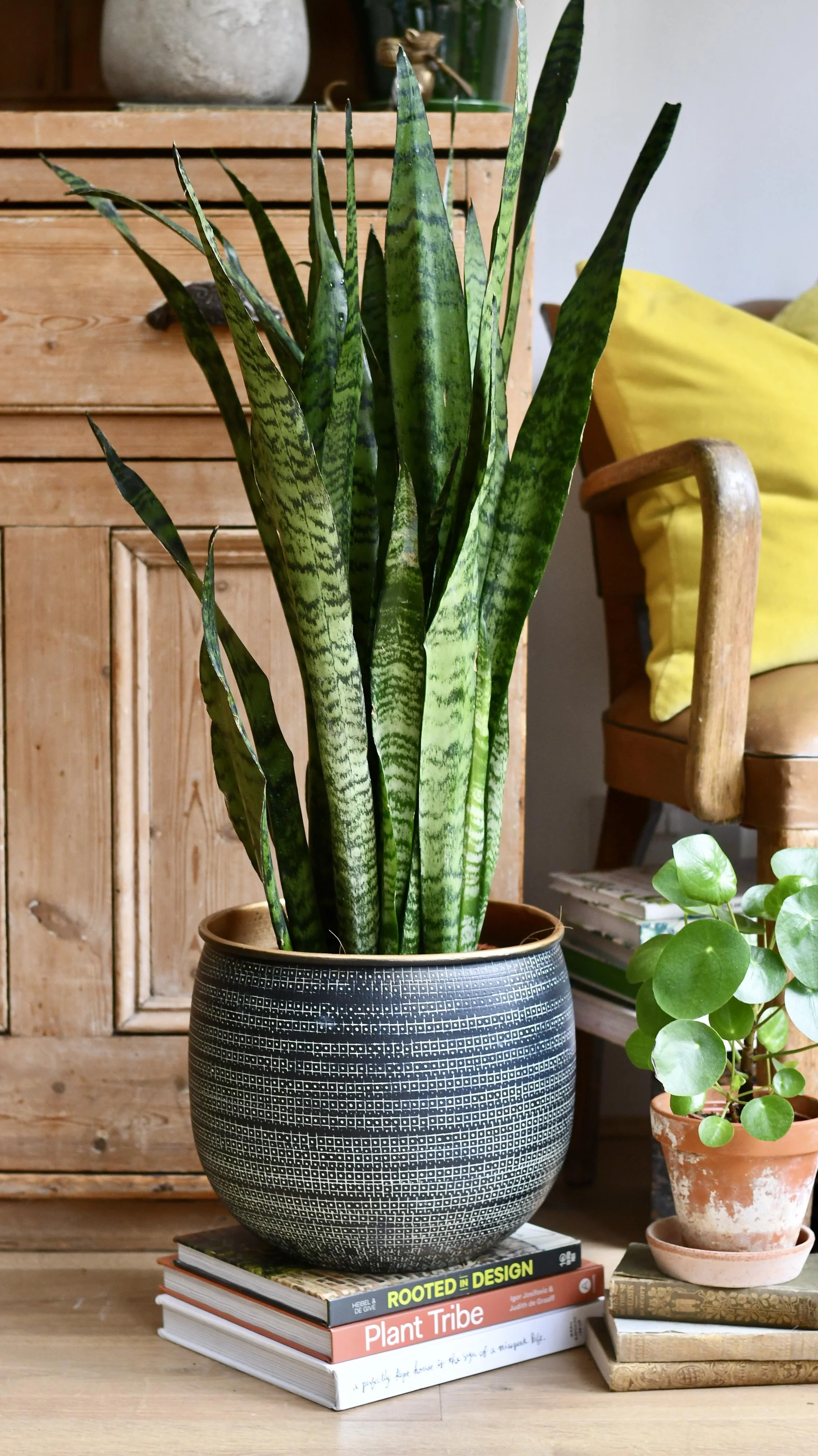
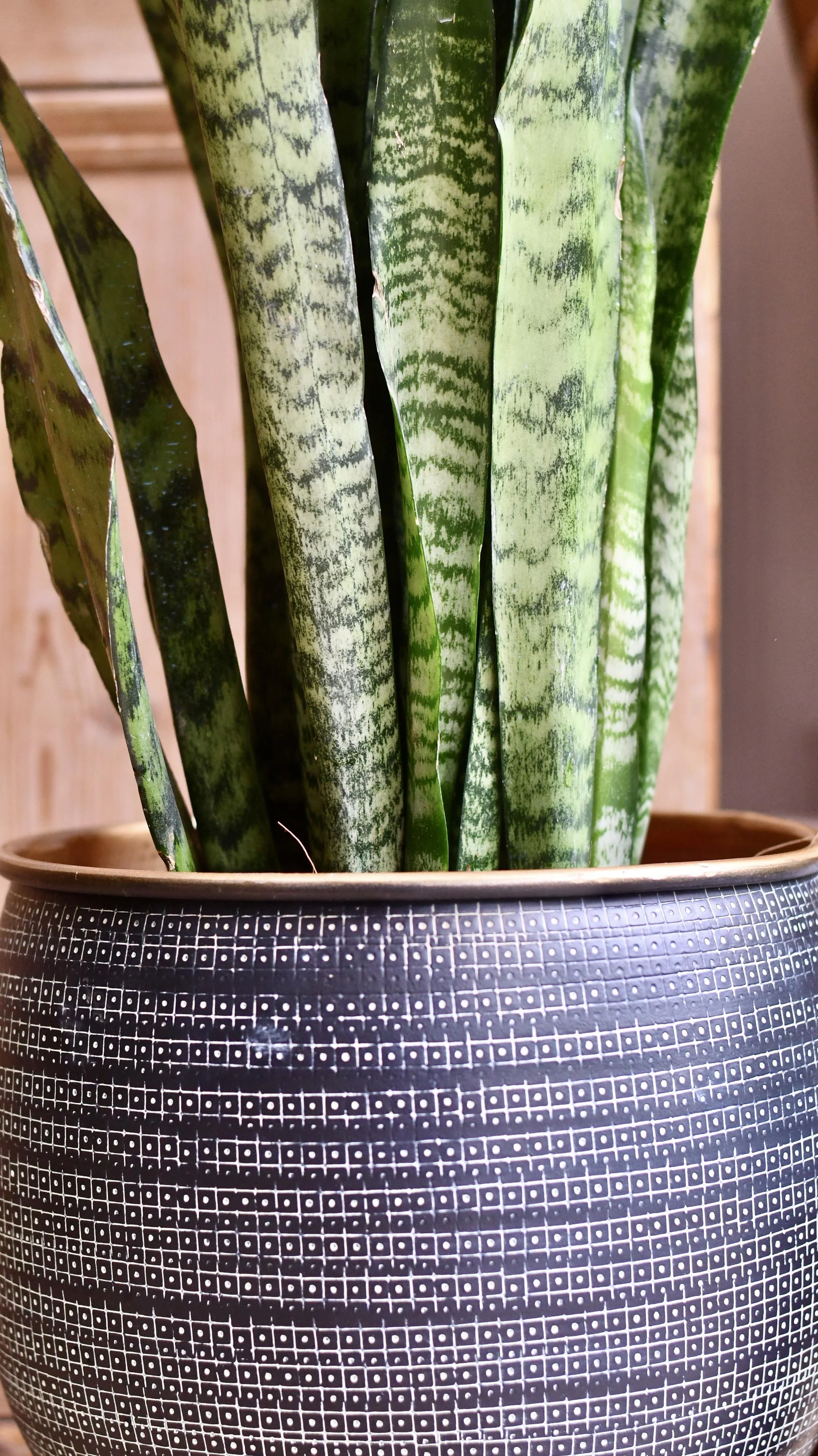
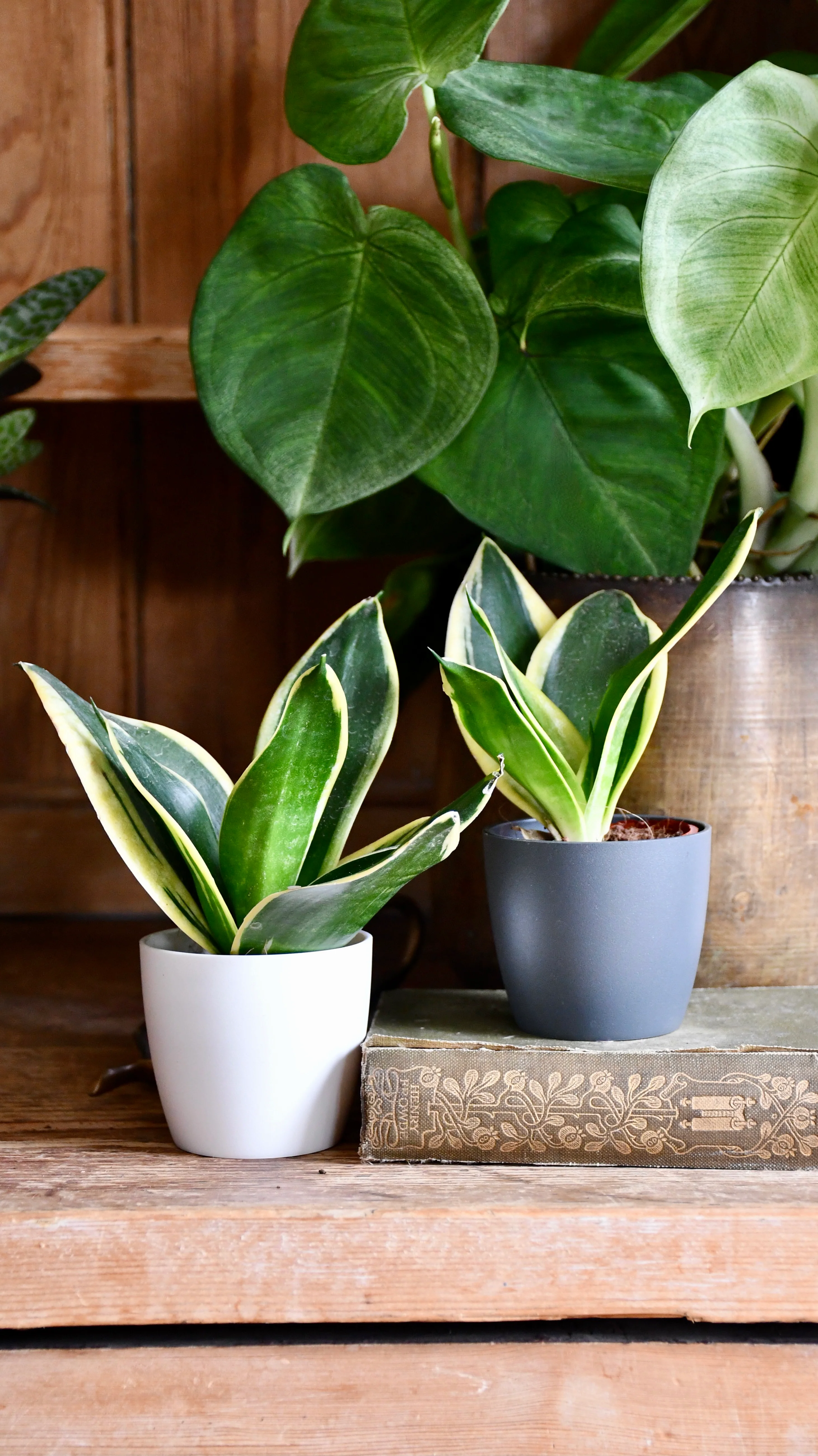
We love Sansevieria trifasciata, better known as the Snake Plant or Mother-in-law’s Tongue, for its sculptural, upright leaves and effortless style. Native to West Africa, this baby succulent is one of the easiest houseplants you can grow indoors. With bold, vertical foliage and incredible resilience, it brings modern elegance to any room while thriving on very little care.
Buying it as a gift? We’ll include a free handwritten card — just add your message at checkout. We’ll wrap it with care and leave out the paperwork or price tags, creating a lovely surprise for the recipient.
Native habitat and growth pattern
Sansevieria trifasciata comes from tropical West Africa, from Nigeria east to the Congo. In its native habitat, it survives tough conditions with minimal water and poor soils. Indoors, it grows in a neat clump with stiff, sword-like leaves that point upwards, giving it a strong, architectural look.
Size
Baby size: W6cm nursery pot x H10cm. Supplied in a plastic nursery pot.
Styling tips
-
A perfect low-maintenance plant for desks, shelves, or windowsills
-
Works beautifully in minimalist interiors or modern spaces
-
Great for bedrooms and offices as a calming, sculptural feature
-
Looks striking in groups of three or styled with contrasting leafy plants
Snake Plant care guide
Light requirements:
Adapts to almost any light conditions, from bright indirect light to low light. Avoid long periods of harsh, direct sun.
Watering:
Water sparingly. Allow the soil to dry out completely before watering again. Overwatering is the quickest way to harm this plant.
Feeding:
Feed once a month in spring and summer. For best results, use our vegan, organic Original Plant Food, specially made for tropical foliage and succulents.
Humidity:
Average home humidity is perfect. It tolerates dry air well.
Pet safety:
Toxic if ingested — keep away from cats and dogs.
Propagation:
Easily propagated from leaf cuttings or division.
Why choose this plant?
Sansevieria trifasciata is one of the most popular indoor plants in the world thanks to its toughness and striking looks. Its upright, sword-shaped leaves add structure and height to any display, and its ability to tolerate neglect makes it a favourite for beginners and busy households.
Snake plants are also symbolic of resilience and strength — they survive in conditions where many plants would fail. This makes them a fantastic choice for modern living, offering beauty without the worry of high maintenance.
As a gift, this baby Snake Plant is perfect. Compact, stylish, and long-lived, it’s an ideal present for plant lovers or anyone starting their houseplant journey.
FAQs
Why is it called Mother-in-law’s Tongue?
Its long, sharp, upright leaves are said to resemble a pointed tongue.
How often should I water my Snake Plant?
Only when the soil is completely dry — usually every 2–3 weeks, depending on conditions.
Can Snake Plants grow in low light?
Yes — they’re one of the most adaptable houseplants and will tolerate low-light corners.
Why are the leaves of my Snake Plant wrinkling?
This usually means it’s too dry. Give it a good soak, then let it dry out again before the next watering.
Explore More
Looking for more vibrant and easy-to-grow greenery? Browse our Easy Care Houseplants for beginner-friendly options, or explore our Tropical Indoor Plants for bold foliage and rainforest style. For detailed plant care guides, tips on watering and dormancy, and expert advice, visit the Happy Houseplants blog.
To keep your plant thriving, feed once a month during spring and summer with our vegan, organic Original Plant Food, specially formulated for healthy growth and lush foliage.
We love Sansevieria trifasciata, better known as the Snake Plant or Mother-in-law’s Tongue, for its sculptural, upright leaves and effortless style. Native to West Africa, this baby succulent is one of the easiest houseplants you can grow indoors. With bold, vertical foliage and incredible resilience, it brings modern elegance to any room while thriving on very little care.
Buying it as a gift? We’ll include a free handwritten card — just add your message at checkout. We’ll wrap it with care and leave out the paperwork or price tags, creating a lovely surprise for the recipient.
Native habitat and growth pattern
Sansevieria trifasciata comes from tropical West Africa, from Nigeria east to the Congo. In its native habitat, it survives tough conditions with minimal water and poor soils. Indoors, it grows in a neat clump with stiff, sword-like leaves that point upwards, giving it a strong, architectural look.
Size
Baby size: W6cm nursery pot x H10cm. Supplied in a plastic nursery pot.
Styling tips
-
A perfect low-maintenance plant for desks, shelves, or windowsills
-
Works beautifully in minimalist interiors or modern spaces
-
Great for bedrooms and offices as a calming, sculptural feature
-
Looks striking in groups of three or styled with contrasting leafy plants
Snake Plant care guide
Light requirements:
Adapts to almost any light conditions, from bright indirect light to low light. Avoid long periods of harsh, direct sun.
Watering:
Water sparingly. Allow the soil to dry out completely before watering again. Overwatering is the quickest way to harm this plant.
Feeding:
Feed once a month in spring and summer. For best results, use our vegan, organic Original Plant Food, specially made for tropical foliage and succulents.
Humidity:
Average home humidity is perfect. It tolerates dry air well.
Pet safety:
Toxic if ingested — keep away from cats and dogs.
Propagation:
Easily propagated from leaf cuttings or division.
Why choose this plant?
Sansevieria trifasciata is one of the most popular indoor plants in the world thanks to its toughness and striking looks. Its upright, sword-shaped leaves add structure and height to any display, and its ability to tolerate neglect makes it a favourite for beginners and busy households.
Snake plants are also symbolic of resilience and strength — they survive in conditions where many plants would fail. This makes them a fantastic choice for modern living, offering beauty without the worry of high maintenance.
As a gift, this baby Snake Plant is perfect. Compact, stylish, and long-lived, it’s an ideal present for plant lovers or anyone starting their houseplant journey.
FAQs
Why is it called Mother-in-law’s Tongue?
Its long, sharp, upright leaves are said to resemble a pointed tongue.
How often should I water my Snake Plant?
Only when the soil is completely dry — usually every 2–3 weeks, depending on conditions.
Can Snake Plants grow in low light?
Yes — they’re one of the most adaptable houseplants and will tolerate low-light corners.
Why are the leaves of my Snake Plant wrinkling?
This usually means it’s too dry. Give it a good soak, then let it dry out again before the next watering.
Explore More
Looking for more vibrant and easy-to-grow greenery? Browse our Easy Care Houseplants for beginner-friendly options, or explore our Tropical Indoor Plants for bold foliage and rainforest style. For detailed plant care guides, tips on watering and dormancy, and expert advice, visit the Happy Houseplants blog.
To keep your plant thriving, feed once a month during spring and summer with our vegan, organic Original Plant Food, specially formulated for healthy growth and lush foliage.
Original: $7.97
-70%$7.97
$2.39Description
We love Sansevieria trifasciata, better known as the Snake Plant or Mother-in-law’s Tongue, for its sculptural, upright leaves and effortless style. Native to West Africa, this baby succulent is one of the easiest houseplants you can grow indoors. With bold, vertical foliage and incredible resilience, it brings modern elegance to any room while thriving on very little care.
Buying it as a gift? We’ll include a free handwritten card — just add your message at checkout. We’ll wrap it with care and leave out the paperwork or price tags, creating a lovely surprise for the recipient.
Native habitat and growth pattern
Sansevieria trifasciata comes from tropical West Africa, from Nigeria east to the Congo. In its native habitat, it survives tough conditions with minimal water and poor soils. Indoors, it grows in a neat clump with stiff, sword-like leaves that point upwards, giving it a strong, architectural look.
Size
Baby size: W6cm nursery pot x H10cm. Supplied in a plastic nursery pot.
Styling tips
-
A perfect low-maintenance plant for desks, shelves, or windowsills
-
Works beautifully in minimalist interiors or modern spaces
-
Great for bedrooms and offices as a calming, sculptural feature
-
Looks striking in groups of three or styled with contrasting leafy plants
Snake Plant care guide
Light requirements:
Adapts to almost any light conditions, from bright indirect light to low light. Avoid long periods of harsh, direct sun.
Watering:
Water sparingly. Allow the soil to dry out completely before watering again. Overwatering is the quickest way to harm this plant.
Feeding:
Feed once a month in spring and summer. For best results, use our vegan, organic Original Plant Food, specially made for tropical foliage and succulents.
Humidity:
Average home humidity is perfect. It tolerates dry air well.
Pet safety:
Toxic if ingested — keep away from cats and dogs.
Propagation:
Easily propagated from leaf cuttings or division.
Why choose this plant?
Sansevieria trifasciata is one of the most popular indoor plants in the world thanks to its toughness and striking looks. Its upright, sword-shaped leaves add structure and height to any display, and its ability to tolerate neglect makes it a favourite for beginners and busy households.
Snake plants are also symbolic of resilience and strength — they survive in conditions where many plants would fail. This makes them a fantastic choice for modern living, offering beauty without the worry of high maintenance.
As a gift, this baby Snake Plant is perfect. Compact, stylish, and long-lived, it’s an ideal present for plant lovers or anyone starting their houseplant journey.
FAQs
Why is it called Mother-in-law’s Tongue?
Its long, sharp, upright leaves are said to resemble a pointed tongue.
How often should I water my Snake Plant?
Only when the soil is completely dry — usually every 2–3 weeks, depending on conditions.
Can Snake Plants grow in low light?
Yes — they’re one of the most adaptable houseplants and will tolerate low-light corners.
Why are the leaves of my Snake Plant wrinkling?
This usually means it’s too dry. Give it a good soak, then let it dry out again before the next watering.
Explore More
Looking for more vibrant and easy-to-grow greenery? Browse our Easy Care Houseplants for beginner-friendly options, or explore our Tropical Indoor Plants for bold foliage and rainforest style. For detailed plant care guides, tips on watering and dormancy, and expert advice, visit the Happy Houseplants blog.
To keep your plant thriving, feed once a month during spring and summer with our vegan, organic Original Plant Food, specially formulated for healthy growth and lush foliage.