Othonna capensis (Senecio, String of Rubies, Purple Flush)
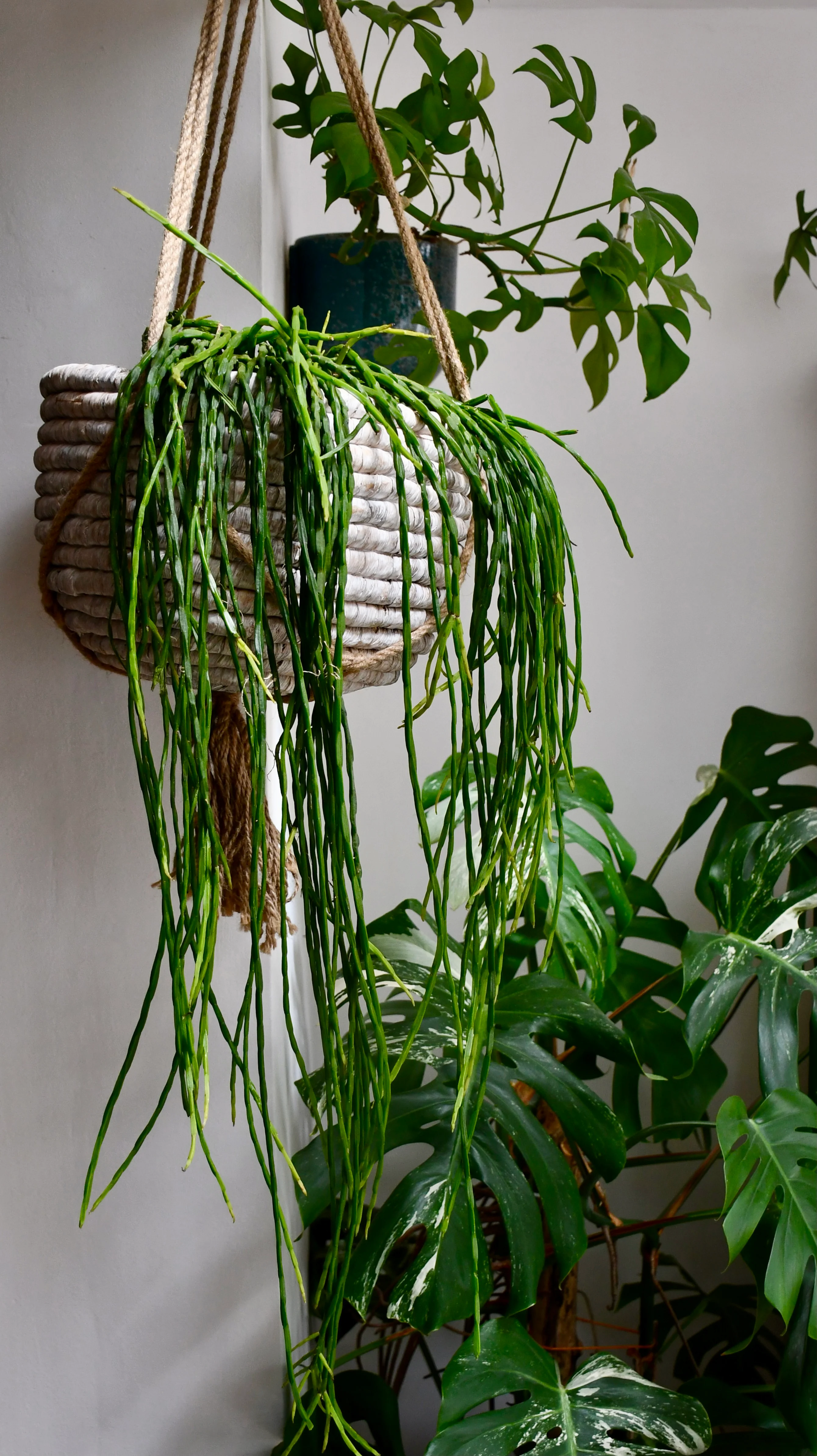
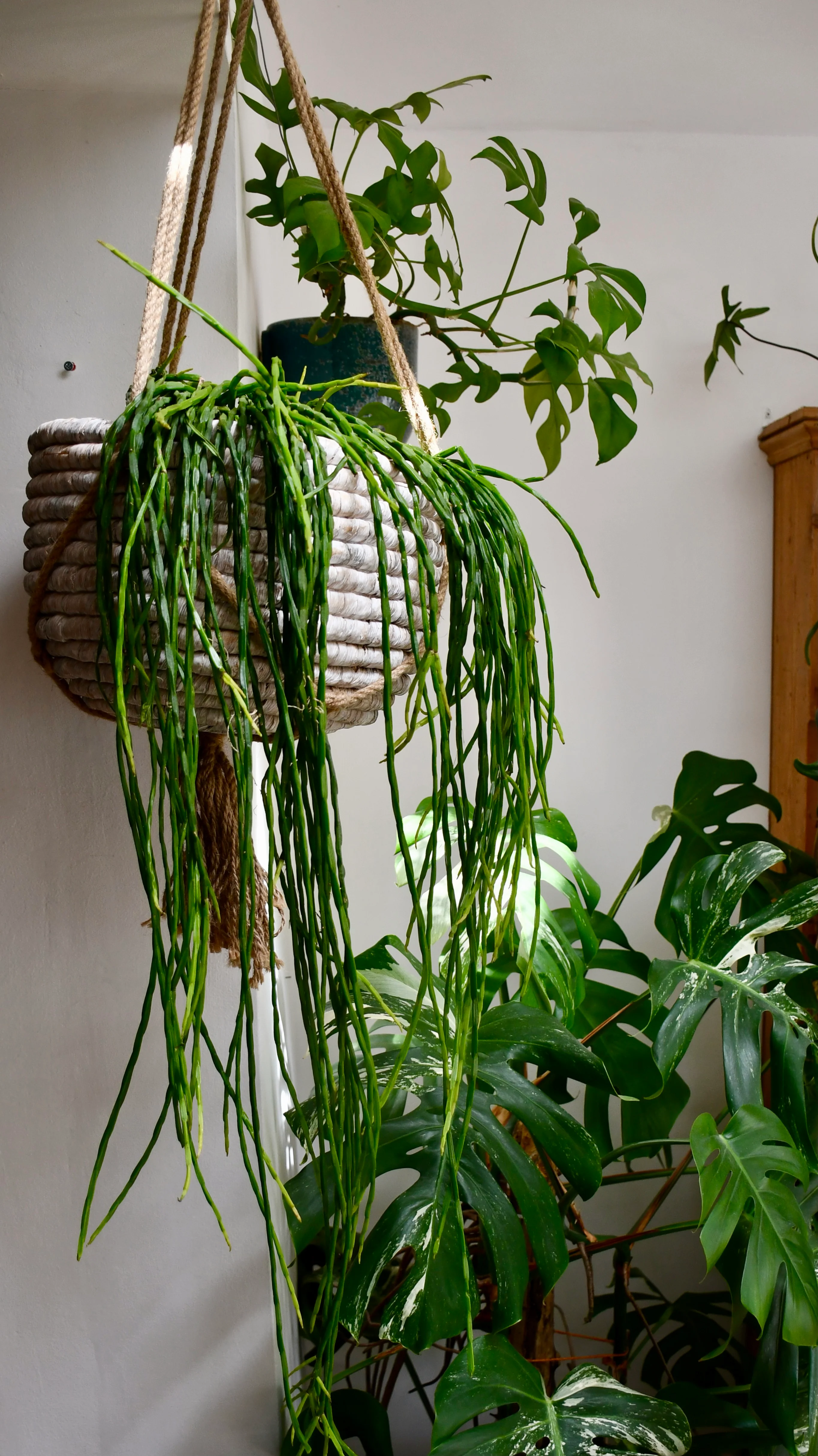
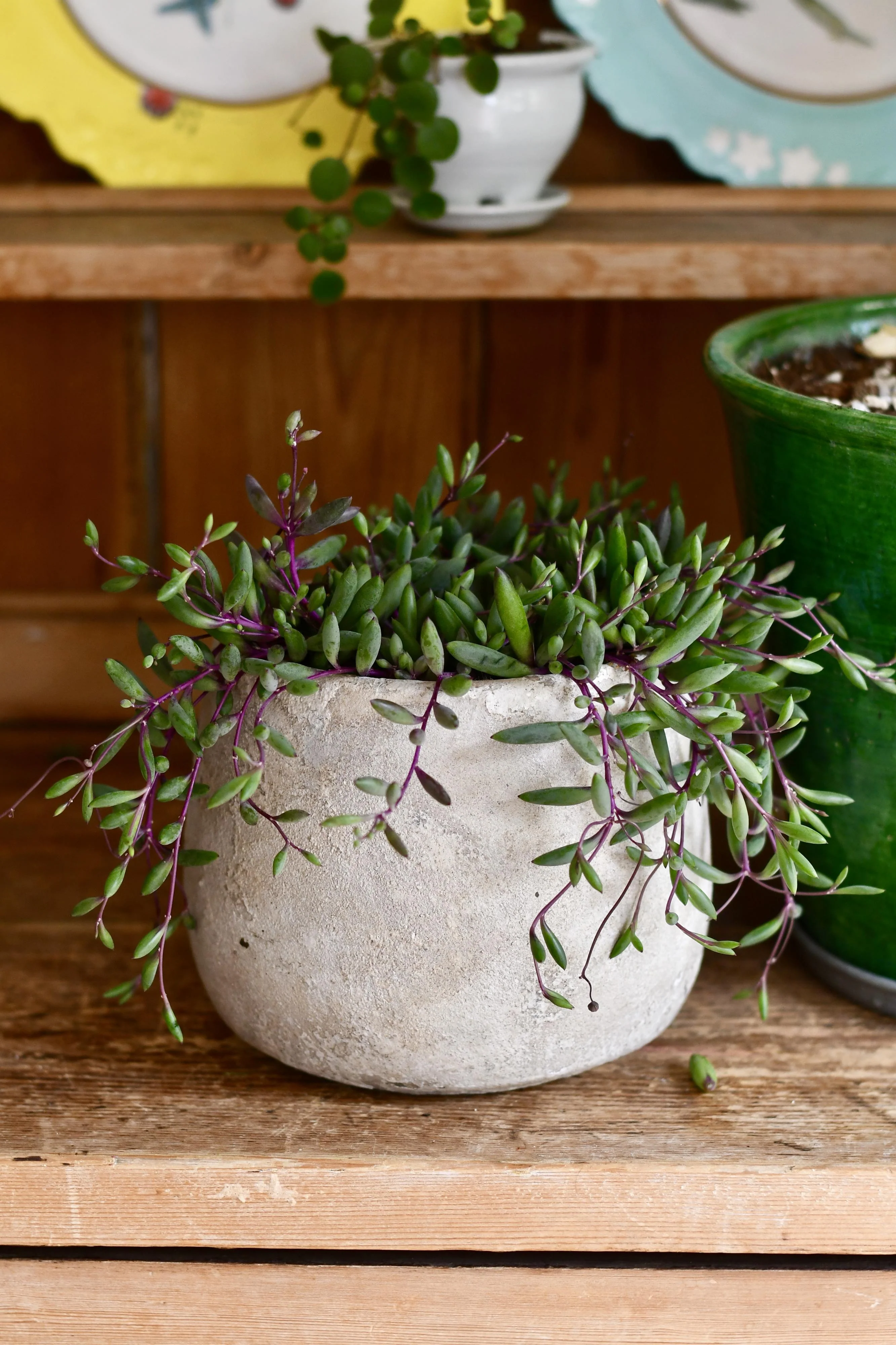
We love the playful colour and trailing habit of Othonna capensis, better known as String of Rubies, Ruby Necklace, or Little Pickles. This unusual succulent has slender, bead-like leaves held on vibrant red-purple stems that spill beautifully from shelves, planters, or hanging baskets. A rewarding and low-maintenance plant, it’s both eye-catching and easy to grow — perfect for anyone looking to add something a little different to their collection.
Buying it as a gift? We’ll include a free handwritten card — just add your message at checkout. We’ll wrap it with care and leave out the paperwork or price tags, creating a lovely surprise for the recipient.
Native habitat and growth pattern
String of Rubies is native to the Cape Province of South Africa, where it trails across dry, rocky landscapes and thrives in full sun. It belongs to the daisy family (Asteraceae), and like its relatives — String of Pearls and String of Bananas — it grows long, delicate vines that make it perfect for hanging displays. Indoors, it keeps its compact, trailing habit while showing off a striking mix of green, ruby, and purple tones.
Size
W12cm nursery pot. Supplied in a plastic nursery pot.
Styling tips
-
Stunning in a hanging basket where its ruby stems can cascade
-
Adds colour contrast to collections of green foliage plants
-
Beautiful on shelves, sideboards, or windowsills with plenty of light
-
Great for modern interiors needing a pop of vibrant texture
String of Rubies care guide
Light requirements:
Thrives in bright light and enjoys direct sun, which helps bring out its vivid ruby and purple tones.
Watering:
Follow a “drench and drought” routine. Water thoroughly when the top few centimetres of soil are dry, then allow to dry completely before watering again. Avoid overwatering.
Feeding:
Feed once a month in spring and summer. We recommend our vegan, organic Original Plant Food, made from natural seaweed, for healthy growth.
Humidity:
Prefers dry air and doesn’t need extra humidity — ideal for UK homes.
Pet safety:
Toxic if ingested — keep out of reach of pets and small children.
Propagation:
Very easy to propagate from stem cuttings. Simply place cuttings in soil or water until they root.
Why choose this plant?
The String of Rubies is one of the most unique trailing succulents you can grow. Its bead-like leaves and deep red stems give it a distinctive look that sets it apart from more common trailing plants, making it a real talking point in your home. Compact and easy-going, it thrives in sunny spots, and its trailing habit creates a striking waterfall effect when grown in hanging pots.
It’s also a brilliant plant for beginners or busy plant parents — drought-tolerant and forgiving, it doesn’t need constant attention to stay looking great. Unlike many tropical plants, it loves direct sun, making it versatile for bright windowsills and conservatories. And when it blooms, its cheerful yellow daisy-like flowers are a beautiful bonus.
As a gift, the String of Rubies is a thoughtful choice for plant lovers looking for something unusual. Its vibrant colour and low-maintenance nature make it a perfect surprise for birthdays, housewarmings, or just to brighten someone’s day.
FAQs
Does String of Rubies need direct sunlight?
Yes — it thrives in direct sun, which enhances its ruby and purple colouring.
How long can the vines grow indoors?
They can easily reach up to 60cm–90cm long in the right conditions.
Why are my String of Rubies leaves shrivelling?
This is usually a sign of underwatering. Give it a good soak, then allow to dry before watering again.
Will String of Rubies flower indoors?
Yes, when happy it produces small yellow, daisy-like flowers on the tips of its stems.
Can it grow outside in summer?
Yes, it can be placed outside in a sunny, sheltered spot during warm weather. Bring it back indoors before temperatures drop.
Explore more
Looking for more colourful or low-maintenance plants? Browse our Easy Care Houseplants or explore our Tropical Indoor Plants. For care tips, dormancy advice and more, check out our indoor plant blog.
We love the playful colour and trailing habit of Othonna capensis, better known as String of Rubies, Ruby Necklace, or Little Pickles. This unusual succulent has slender, bead-like leaves held on vibrant red-purple stems that spill beautifully from shelves, planters, or hanging baskets. A rewarding and low-maintenance plant, it’s both eye-catching and easy to grow — perfect for anyone looking to add something a little different to their collection.
Buying it as a gift? We’ll include a free handwritten card — just add your message at checkout. We’ll wrap it with care and leave out the paperwork or price tags, creating a lovely surprise for the recipient.
Native habitat and growth pattern
String of Rubies is native to the Cape Province of South Africa, where it trails across dry, rocky landscapes and thrives in full sun. It belongs to the daisy family (Asteraceae), and like its relatives — String of Pearls and String of Bananas — it grows long, delicate vines that make it perfect for hanging displays. Indoors, it keeps its compact, trailing habit while showing off a striking mix of green, ruby, and purple tones.
Size
W12cm nursery pot. Supplied in a plastic nursery pot.
Styling tips
-
Stunning in a hanging basket where its ruby stems can cascade
-
Adds colour contrast to collections of green foliage plants
-
Beautiful on shelves, sideboards, or windowsills with plenty of light
-
Great for modern interiors needing a pop of vibrant texture
String of Rubies care guide
Light requirements:
Thrives in bright light and enjoys direct sun, which helps bring out its vivid ruby and purple tones.
Watering:
Follow a “drench and drought” routine. Water thoroughly when the top few centimetres of soil are dry, then allow to dry completely before watering again. Avoid overwatering.
Feeding:
Feed once a month in spring and summer. We recommend our vegan, organic Original Plant Food, made from natural seaweed, for healthy growth.
Humidity:
Prefers dry air and doesn’t need extra humidity — ideal for UK homes.
Pet safety:
Toxic if ingested — keep out of reach of pets and small children.
Propagation:
Very easy to propagate from stem cuttings. Simply place cuttings in soil or water until they root.
Why choose this plant?
The String of Rubies is one of the most unique trailing succulents you can grow. Its bead-like leaves and deep red stems give it a distinctive look that sets it apart from more common trailing plants, making it a real talking point in your home. Compact and easy-going, it thrives in sunny spots, and its trailing habit creates a striking waterfall effect when grown in hanging pots.
It’s also a brilliant plant for beginners or busy plant parents — drought-tolerant and forgiving, it doesn’t need constant attention to stay looking great. Unlike many tropical plants, it loves direct sun, making it versatile for bright windowsills and conservatories. And when it blooms, its cheerful yellow daisy-like flowers are a beautiful bonus.
As a gift, the String of Rubies is a thoughtful choice for plant lovers looking for something unusual. Its vibrant colour and low-maintenance nature make it a perfect surprise for birthdays, housewarmings, or just to brighten someone’s day.
FAQs
Does String of Rubies need direct sunlight?
Yes — it thrives in direct sun, which enhances its ruby and purple colouring.
How long can the vines grow indoors?
They can easily reach up to 60cm–90cm long in the right conditions.
Why are my String of Rubies leaves shrivelling?
This is usually a sign of underwatering. Give it a good soak, then allow to dry before watering again.
Will String of Rubies flower indoors?
Yes, when happy it produces small yellow, daisy-like flowers on the tips of its stems.
Can it grow outside in summer?
Yes, it can be placed outside in a sunny, sheltered spot during warm weather. Bring it back indoors before temperatures drop.
Explore more
Looking for more colourful or low-maintenance plants? Browse our Easy Care Houseplants or explore our Tropical Indoor Plants. For care tips, dormancy advice and more, check out our indoor plant blog.
Original: $22.60
-70%$22.60
$6.78Description
We love the playful colour and trailing habit of Othonna capensis, better known as String of Rubies, Ruby Necklace, or Little Pickles. This unusual succulent has slender, bead-like leaves held on vibrant red-purple stems that spill beautifully from shelves, planters, or hanging baskets. A rewarding and low-maintenance plant, it’s both eye-catching and easy to grow — perfect for anyone looking to add something a little different to their collection.
Buying it as a gift? We’ll include a free handwritten card — just add your message at checkout. We’ll wrap it with care and leave out the paperwork or price tags, creating a lovely surprise for the recipient.
Native habitat and growth pattern
String of Rubies is native to the Cape Province of South Africa, where it trails across dry, rocky landscapes and thrives in full sun. It belongs to the daisy family (Asteraceae), and like its relatives — String of Pearls and String of Bananas — it grows long, delicate vines that make it perfect for hanging displays. Indoors, it keeps its compact, trailing habit while showing off a striking mix of green, ruby, and purple tones.
Size
W12cm nursery pot. Supplied in a plastic nursery pot.
Styling tips
-
Stunning in a hanging basket where its ruby stems can cascade
-
Adds colour contrast to collections of green foliage plants
-
Beautiful on shelves, sideboards, or windowsills with plenty of light
-
Great for modern interiors needing a pop of vibrant texture
String of Rubies care guide
Light requirements:
Thrives in bright light and enjoys direct sun, which helps bring out its vivid ruby and purple tones.
Watering:
Follow a “drench and drought” routine. Water thoroughly when the top few centimetres of soil are dry, then allow to dry completely before watering again. Avoid overwatering.
Feeding:
Feed once a month in spring and summer. We recommend our vegan, organic Original Plant Food, made from natural seaweed, for healthy growth.
Humidity:
Prefers dry air and doesn’t need extra humidity — ideal for UK homes.
Pet safety:
Toxic if ingested — keep out of reach of pets and small children.
Propagation:
Very easy to propagate from stem cuttings. Simply place cuttings in soil or water until they root.
Why choose this plant?
The String of Rubies is one of the most unique trailing succulents you can grow. Its bead-like leaves and deep red stems give it a distinctive look that sets it apart from more common trailing plants, making it a real talking point in your home. Compact and easy-going, it thrives in sunny spots, and its trailing habit creates a striking waterfall effect when grown in hanging pots.
It’s also a brilliant plant for beginners or busy plant parents — drought-tolerant and forgiving, it doesn’t need constant attention to stay looking great. Unlike many tropical plants, it loves direct sun, making it versatile for bright windowsills and conservatories. And when it blooms, its cheerful yellow daisy-like flowers are a beautiful bonus.
As a gift, the String of Rubies is a thoughtful choice for plant lovers looking for something unusual. Its vibrant colour and low-maintenance nature make it a perfect surprise for birthdays, housewarmings, or just to brighten someone’s day.
FAQs
Does String of Rubies need direct sunlight?
Yes — it thrives in direct sun, which enhances its ruby and purple colouring.
How long can the vines grow indoors?
They can easily reach up to 60cm–90cm long in the right conditions.
Why are my String of Rubies leaves shrivelling?
This is usually a sign of underwatering. Give it a good soak, then allow to dry before watering again.
Will String of Rubies flower indoors?
Yes, when happy it produces small yellow, daisy-like flowers on the tips of its stems.
Can it grow outside in summer?
Yes, it can be placed outside in a sunny, sheltered spot during warm weather. Bring it back indoors before temperatures drop.
Explore more
Looking for more colourful or low-maintenance plants? Browse our Easy Care Houseplants or explore our Tropical Indoor Plants. For care tips, dormancy advice and more, check out our indoor plant blog.